 Akashic Records Guide
The History of the Akashic Records: Origins and Purpose
Book a free 15-minute callWhatsApp
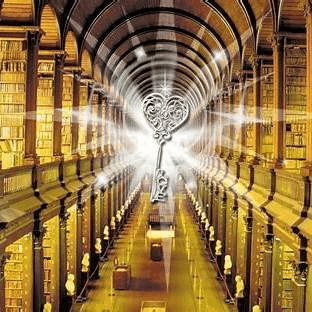
The idea of the Akashic Records has fascinated mystics, philosophers and seekers for well over a century. Often pictured as a cosmic library, the Records are said to hold the energetic imprint of every soul's journey.
The meaning of "Akashic"
"Akashic" comes from the Sanskrit word akasha, meaning "sky", "space" or "ether". In Indian philosophy, akasha is the fifth element beyond earth, water, fire and air: the subtle space that connects all life.
Where the modern idea came from
- Vedic and Eastern philosophy described akasha as the subtle dimension of space and memory.
- Theosophy in the late 19th century, through writers such as Helena Blavatsky, Annie Besant and later Rudolf Steiner, popularised the idea of a universal record.
- Edgar Cayce (1877 to 1945), the American known as "the Sleeping Prophet", described drawing on the Records for his life readings.
- Modern practitioners today use prayers and meditative methods to open the Records for guidance.
Not tied to any religion
The Records are generally described as non-denominational and open to anyone, grounded in intention, ethics and respect.
Why people turn to them today
- Clarity on life challenges and patterns
- Insight into soul purpose and lessons
- Guidance for decisions and spiritual growth
Read more: Understanding the Akashic Records.
Have a question about your own Records?
Book a free 15-minute call. You only pay after a reading.
Book a free call